A world that exists completely. A story that ends.
The dark fantasy standalone is a specific achievement. Building a world convincing enough to sustain a dark fantasy novel — with the weight of history, the texture of institutions, the accumulation of detail that makes a place feel real — and then telling a complete story inside it, with a beginning and an end that satisfies, is harder than writing a series. A series can defer. It can leave questions open and promise answers in the next volume. A standalone must do everything in one book.
The best standalones achieve something that series rarely do: they give you a world that feels larger than the story you just read. When you close the book, you feel not that the world has ended but that the story ended and the world continued. The world existed before the protagonist arrived. It will exist after they are gone. The story was one thread in something much larger, and the novel was wise enough not to try to contain the whole thing.
For the reader who wants dark fantasy without committing to a multi-year, multi-volume investment, the standalone is the answer. One book. One world. A complete story that ends where it means to end. No cliffhangers, no delays, no waiting for the next volume to understand what happened in this one.
Completeness without closure. Ending without explaining everything.
A dark fantasy standalone works when it distinguishes between plot resolution and world resolution. The plot resolves. The central narrative question the book has been building toward — what happened, who did it, what it means — gets an answer. But the world does not resolve. The history of the world does not become fully legible. The forces that shaped the world remain larger than any single story. The reader understands more at the end than at the beginning, but understands also that there is much more to understand.
This is the difference between a standalone that satisfies and one that merely stops. The one that stops gives you an ending that closes off the world — nothing more to explore, nothing more to discover, no reason to think about the world once you have closed the book. The one that satisfies gives you an ending that closes the story while leaving the world open — a sense that the world continues, that other stories are possible inside it, that what you read was one account of something much larger.
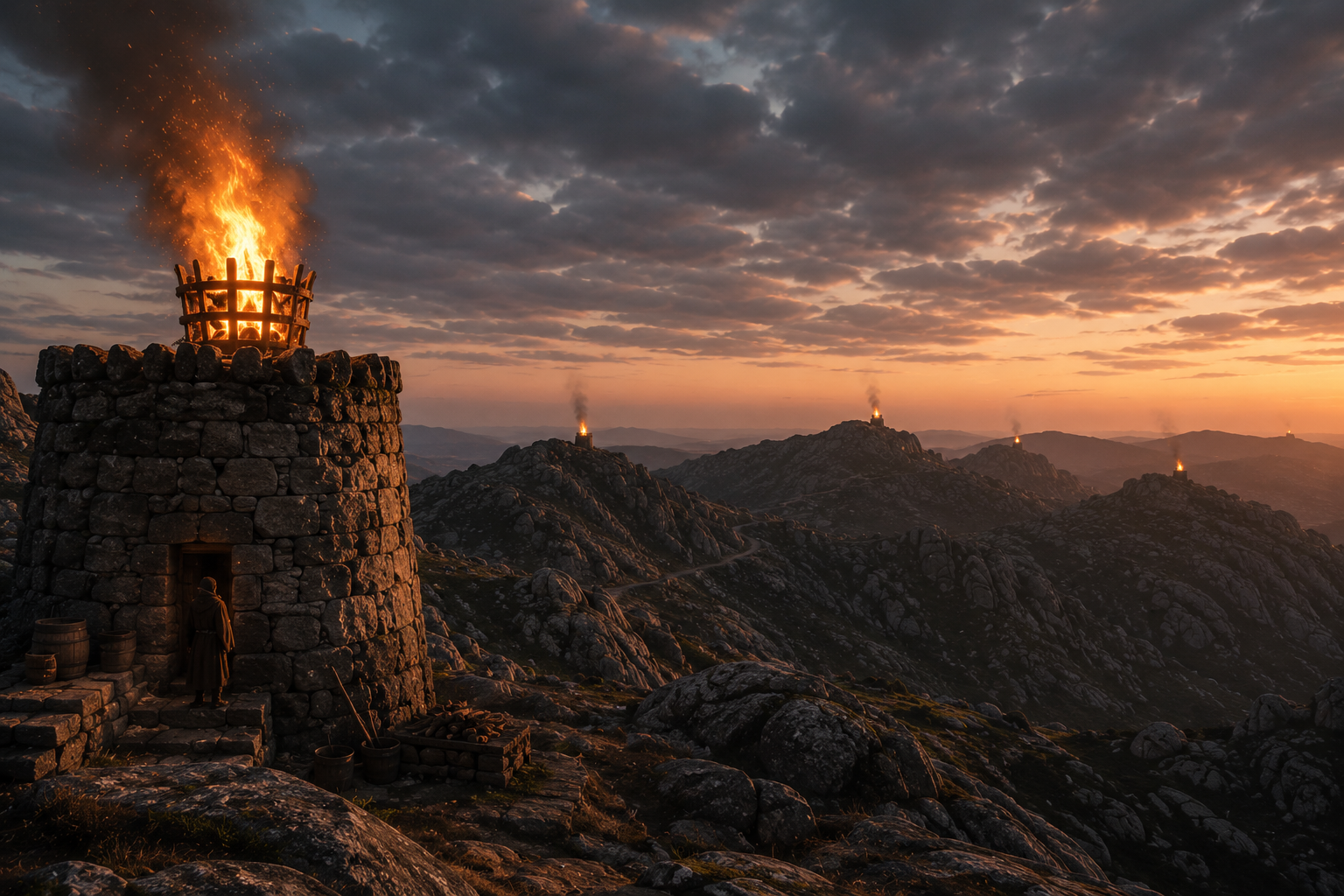
Book One stands alone. The series goes deeper.
ASHWANA — Book One of The Fractured Elden — is designed to function as a standalone novel. The central narrative of Book One resolves. The question that drives the plot — what is Kira Ashvane, and why does Commandant Rael Edenmoor already know the answer — gets an answer by the final chapter. The story ends where it means to end.
But the world does not resolve. The Ashwaste remains. The sealed division of the Archive remains sealed. The five hundred years of silence that preceded the story have not been fully explained. Book One gives you one layer of the answer. The series gives you six more. Each one changes what you understood from the one before.
For the reader who wants to start with one book and decide: ASHWANA is that book. It is complete in itself. It ends. If the world pulls you back — if you close it and find that you are still thinking about the records that did not match, the commandant who has been there too long, the silence that is ending — the series continues. But it does not require you to continue. It only makes it very difficult not to.
ASHWANA — Book One of The Fractured Elden
Literary dark fantasy set in the real mountains of Serra da Estrela, Portugal. Complete in one book. Seven books in the series. Available now on Amazon, Apple Books, Kobo, and Google Play.