Not slow because nothing happens. Slow because everything matters.
A slow-burn fantasy novel is not a fantasy novel where the plot takes a long time to start. It is a fantasy novel where the plot is already running — underneath the surface, in the silences between scenes, in the details that seem incidental until they are not. The reader who stays patient is rewarded not with an explosion but with recognition: the understanding that the pieces were always there, that the book trusted the reader to hold them.
The opposite of slow-burn is not fast. It is disposable. A fantasy novel that opens with an explosion and closes with a battle has given you everything immediately. There is nothing to carry forward. A slow-burn fantasy opens with something quiet — an arrival, a document, a conversation that ends without resolution — and gives you something to think about between readings. The tension is not in the scene. It is in what the scene implies.
What slow-burn fantasy asks of a reader: patience that is not passive. You are not waiting for the plot to start. You are already inside it. You are reading the landscape as a document. You are reading institutional language for what it conceals. You notice what is missing from the records. You understand that the things left unsaid are often the most important things.
The markers of a slow-burn that delivers.
The first marker is restraint. A slow-burn that works does not explain itself. It does not tell you what to feel. It gives you the scene and trusts you to feel it. The prose is controlled. The pacing is deliberate. Every quiet scene carries information — nothing is there merely to fill space.
The second marker is accumulation. Each chapter adds something to what came before — not necessarily a plot development, but a layer. A detail that recontextualises an earlier scene. A silence that means more now than it did the first time. The slow-burn novel is designed to be reread. The first reading is discovery. The second reading is recognition.
The third marker is consequence. A slow burn that does not pay off is simply slow. The books worth your patience are the ones where the restraint is structural — where every quiet chapter is a compressed spring, and when things finally move, they move with the weight of everything that preceded them.
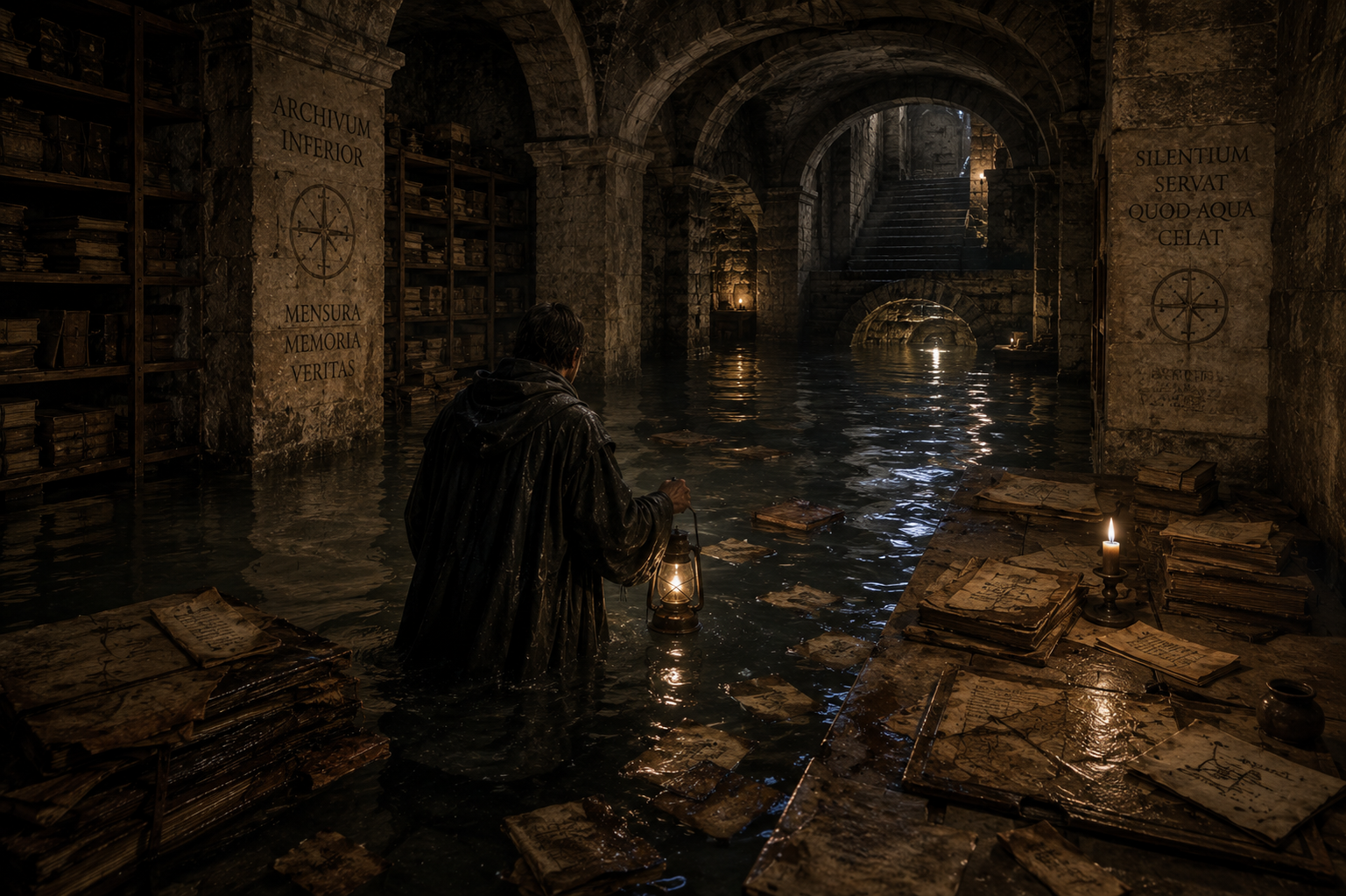
Five hundred years of silence. The tension has been building since before the story begins.
ASHWANA is built on the premise that the most important events happened before the novel opens. Five hundred years ago, something occurred that the current inhabitants of Fort Kael do not fully understand. The institution they work within — the Survey Division, the Territorial Authority, the Archive — was built to manage the aftermath of that event. The records are precise. The records are incomplete. The gap between what is recorded and what happened is where the story lives.
The novel opens with an arrival. Kira Ashvane has been at Fort Kael for three years. She has been unremarkable. Then the Ashwaste moves — the forbidden zone at the heart of the mountain territory shifts its boundary by four hundred metres overnight — and Commandant Rael Edenmoor calls her in before breakfast. He already knows who she is.
Everything that follows moves at the pace of an investigation. Documents examined. Routes walked. Conversations that end without resolution. The tension accumulates across chapters. Nothing explodes. Everything shifts. By the time the novel closes, the reader understands something that the characters are only beginning to suspect — and that understanding changes everything that came before.
ASHWANA — Book One of The Fractured Elden
A seven-book literary dark fantasy series set in the real mountains of Serra da Estrela, Portugal. For readers who stay. Available now on Amazon, Apple Books, Kobo, and Google Play.