The prose is not a container for the plot. It is part of the experience.
Literary fantasy is a category that resists definition because it is defined by quality of execution rather than by content. A literary fantasy novel can contain dragons, prophecies, and chosen heroes — but it treats them with the same seriousness that literary fiction treats any subject. The writing is deliberate. Nothing is accidental. The world means something beyond its function as a stage for action.
What distinguishes literary fantasy from commercial fantasy is not subject matter but relationship between prose and story. In commercial fantasy, the prose is transparent — it delivers the story as efficiently as possible and asks the reader not to notice it. In literary fantasy, the prose is part of the experience. A sentence can stop you. Not because something happened, but because of how something was observed, or how a silence was described, or what a character chose not to say.
The thoughtful reader — the reader who finishes a book and carries it — reads literary fantasy because they want more than plot resolution. They want a world that lingers. They want sentences they remember. They want to feel, when they close the book, that something has shifted in how they understand the world or themselves.
How to identify literary fantasy before you commit to it.
The world has consequences. In literary fantasy, what happens in the world matters beyond the plot. The history of the world shapes the characters. The institutions of the world constrain them. The darkness of the world is not cosmetic — it is structural, built into the systems and records and procedures that the characters move through every day. The world existed before the story and will exist after it.
The characters are not extraordinary. Literary fantasy tends to give you characters who are institutional rather than exceptional — surveyors, archivists, administrators, apprentices. People doing their jobs in a world that has shaped them. The interest is not in what makes them special. It is in what they notice, what they fail to notice, and what the gap between those two things reveals about the world they are inside.
The resolution expands rather than closes. Commercial fantasy resolves its central mystery and closes the world. Literary fantasy resolves its surface plot and opens the deeper question. When you finish a literary fantasy novel, you understand more about the world than you did at the start — but what you understand is that the world is larger and stranger than any single story can contain. The ending is not a door closing. It is a door opening onto a larger space.
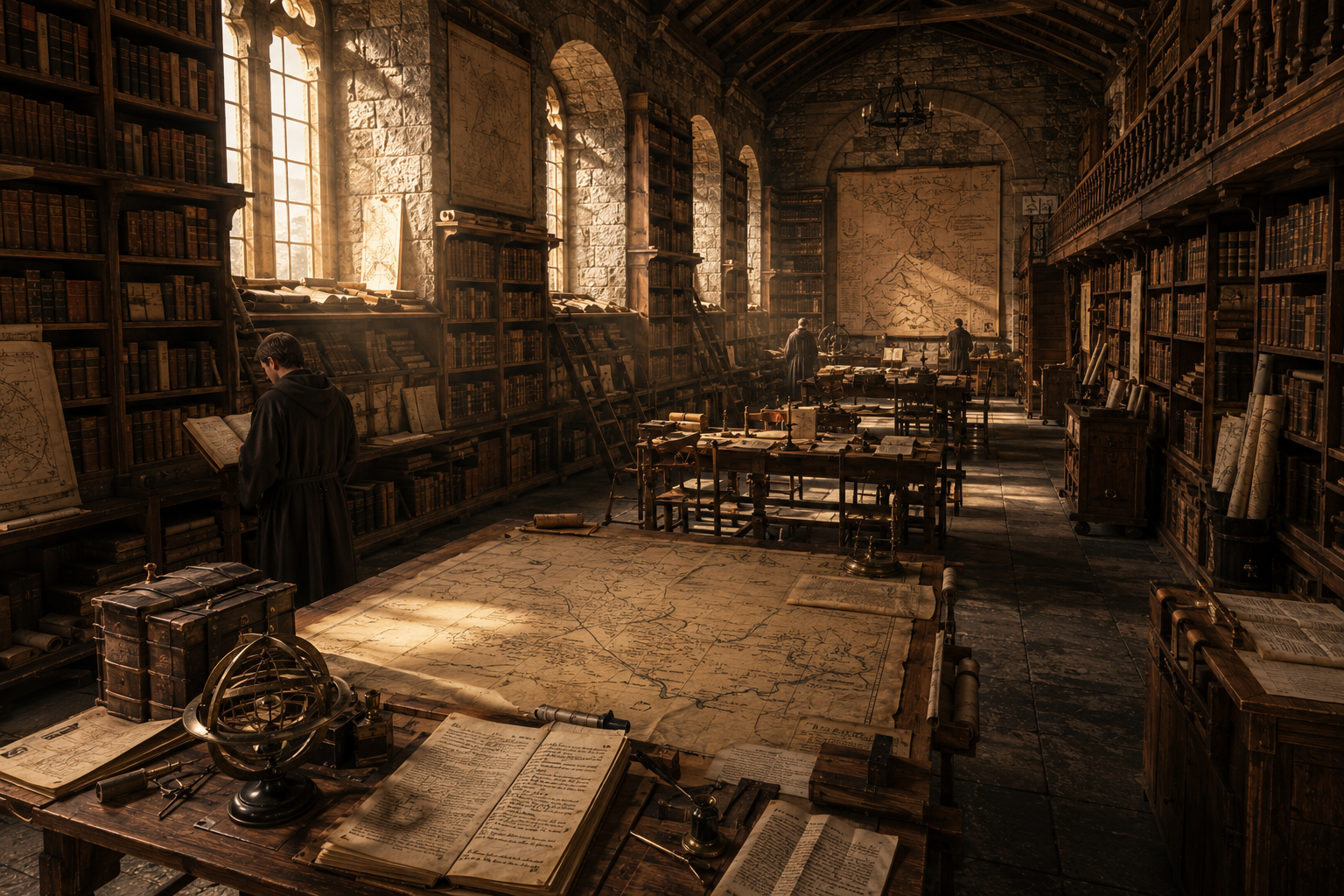
A series built on consequence. Seven books. One question that keeps expanding.
ASHWANA is the first book of The Fractured Elden — a seven-book series built on a single central question: what happened five hundred years ago, and what has the silence since then concealed? Each book adds a layer to the answer. No single book resolves it. The series is designed for the reader who wants to carry something forward — who finishes a book and feels not satisfaction but the specific hunger of knowing that the world is larger than what they have seen.
The prose of ASHWANA is institutional in register — precise, observational, written as if by someone who has learned to record carefully because recording is the only way to maintain certainty in an uncertain world. It is not ornamental. It does not describe the fortress for its own sake. Every detail carries information. The weight of the stone. The age of the records. The silence of the commandant. Nothing is there by accident.
If you are a thoughtful reader — if you read Hilary Mantel for the political weight of a sentence, if you read Susanna Clarke for the feeling of a world that is older than its story, if you read Kazuo Ishiguro for what is not said — ASHWANA was built for you. Not as a reaction to those books. As a thing that exists in the same register, in a different world, with a different history that is still unfolding.
ASHWANA — Book One of The Fractured Elden
A seven-book literary dark fantasy series. A mountain fortress. Five hundred years of silence. Records that do not match. Available now on Amazon, Apple Books, Kobo, and Google Play.