A mountain range that has been emptying for a long time.
Across the Serra da Estrela, twelve historic villages sit along the old border with Spain. Some still have people in them. Most have far fewer than they once did. The stone houses at their centres are often the first to go quiet — families move into newer buildings nearby, and the old core, the part with the oldest walls and the deepest history, is left standing with nothing inside.
Further into the range, in the Serra da Freita just beyond the Estrela massif, there is a village called Drave. No roads reach it. No electricity, no water connection, no signal most of the time. It has been empty for close to twenty years. The walk in takes hours along a path that was once a daily route for the people who lived there. Scouts still camp in it sometimes. Otherwise it is quiet.
The reasons are not dramatic. Young people left for work and did not come back. Farming stopped paying enough to stay for. The population grew old, and then there were not enough people left to keep the routines going — the small daily maintenance that keeps a village a village rather than a ruin.
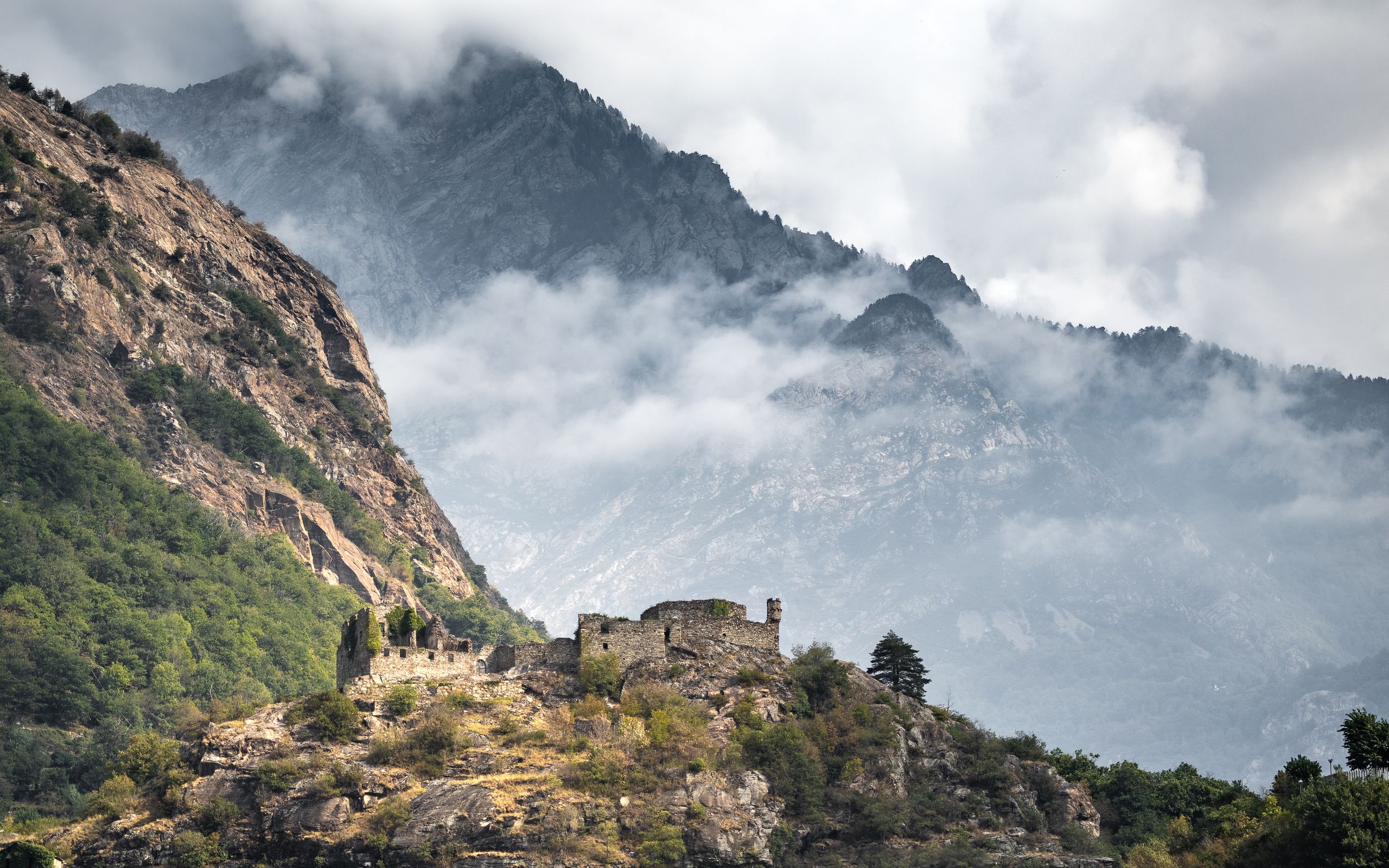
What is left behind is not destruction. It is abandonment in slow motion — a house with the door still on its hinges, a chapel with the bell still in the tower, a terrace wall still holding back the same slope it held back a hundred years ago, with no one walking past it anymore.
The record shows who left. It does not show when the leaving became permanent.
ASHWANA did not invent the idea of a place that empties without anyone deciding it should. The mountains gave that for free. A house does not become a ruin on a single day. It becomes one slowly, through a hundred small absences, until the absence is the only thing left.
The personnel ledgers at Fort Kael record departures individually — a name, a destination, a date. Read one at a time, each entry looks ordinary. A transfer. A retirement. A return to family in the lowlands. It is only when the ledger is read as a whole, across years, that the pattern becomes visible: certain outlying posts were never restaffed. No order was given to abandon them. They simply stopped appearing in the rotation.
No one filed a report stating that the northern watch line was no longer held. The absence of a report was, eventually, the report.