The same routes, the same seasons, fewer people walking them.
In 2006, a Portuguese documentary asked the question directly: "Ainda há Pastores?" — Are there still shepherds? The answer, at the time of filming, was yes — but barely. Estimates placed the number of traditional shepherds still working the high pastures of the Serra da Estrela at between ten and twenty. Most were in their sixties or seventies. Most had learned the work from their parents, who had learned it from theirs, in an unbroken line that reached back further than any document in any archive.
The practice they maintained is called transhumance — seasonal migration with flocks between low winter pastures and high summer grazing grounds. In winter, shepherds and flocks stayed in the valleys. When the weather began to turn, they moved up. The pattern was already old when the Neolithic communities of the Mondego valley built their megaliths aligned with the mountain. It is still the same pattern today, where it continues at all.
Those from the northeast slopes of the Serra da Estrela traditionally headed toward the Douro valley in winter. Those from the western side moved toward the Tejo basin. The routes were inherited, not chosen — a shepherd followed the path his father had followed, to the same winter pastures, along the same landmarks. The Estrela Mountain Dog walked beside him, bred over centuries for exactly this work: guarding the flock through the night, in terrain where no other protection was available.
A Sheep Interpretative Centre opened in the Serra da Estrela in 2023, honouring what remains of this tradition. It was built partly because the tradition is endangered. The shepherds who still work the mountain are aging. The knowledge they carry — about routes, about weather, about the behaviour of flocks in specific terrain — is not written down anywhere. When they stop, it stops with them.
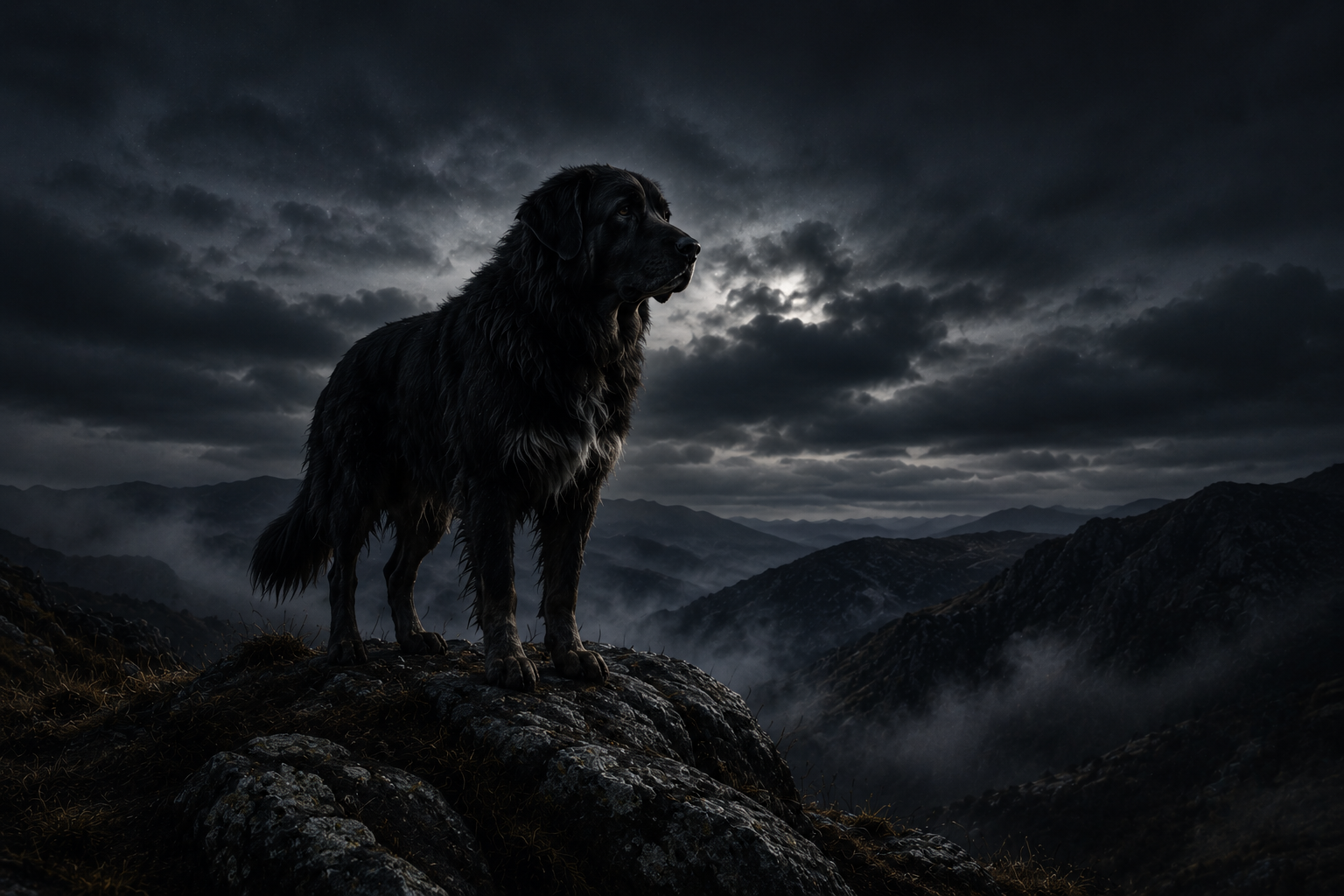
The routine was the record. When the routine ends, so does the record.
ASHWANA's central principle — that civilisation survives through routine, not through strength — is not an invention. It is an observation about what actually keeps things alive. The shepherds of the Serra da Estrela did not preserve their knowledge by writing it down. They preserved it by doing it, season after season, until there were not enough people left to keep doing it.
Fort Kael's route ledgers include seasonal shepherd movement records going back further than any other category of document in the archive. The routes are mapped. The seasonal timing is noted. The names of individual shepherds appear and then stop appearing, replaced by new names, then fewer names, then gaps where names should be.
The most recent ledger in this category was filed eleven years ago. The page after the last entry is blank. There is no closing notation. The record simply ends where the last person to file it stopped filing.