Snow is not guaranteed. When it arrives, the roads close and the mountain becomes itself.
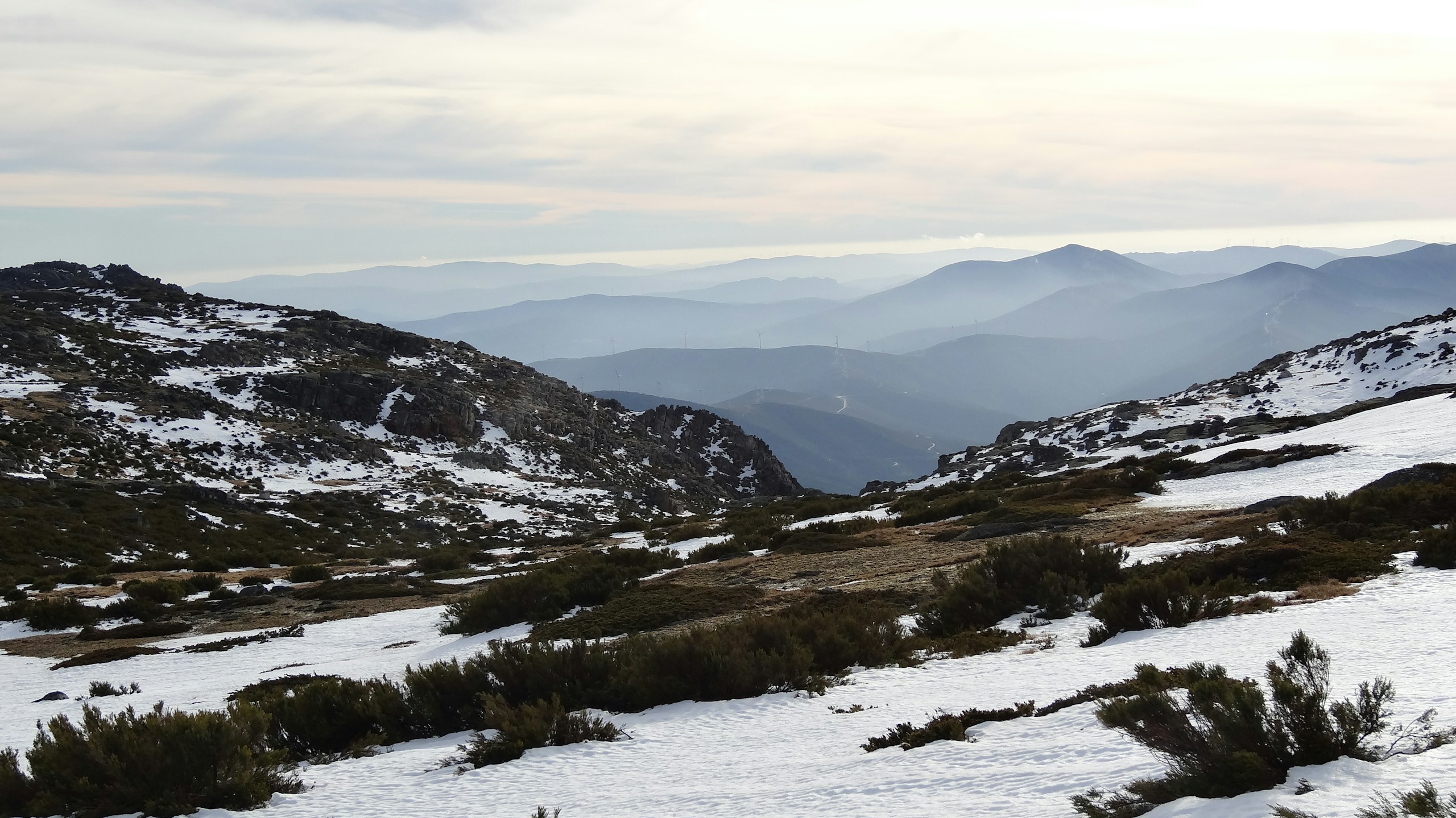
Winter is the season most people associate with Serra da Estrela because it is the only place in mainland Portugal where snow falls reliably. The plateau above 1,500 metres accumulates snow from December through March, though the timing and quantity vary considerably from year to year. February is statistically the most reliable month for snow. January can be spectacular. December is unpredictable.
Temperatures on the high plateau drop to between -5°C and -10°C in winter. The road to Torre — the highest point, at 1,993 metres — is frequently closed after heavy snowfall. Check the IPMA weather service and the local road authority before driving. Chains may be required. The ski resort above Penhas da Saúde operates when conditions allow, with nine slopes and a single chairlift designed for beginner and intermediate skiers.
What winter gives you that other seasons do not: the mountain as it was before the roads. The stone villages with smoke from chimneys. The cheese at its richest — the Bordaleira sheep's milk is most concentrated in winter. The mountain museums in Seia and Covilhã almost entirely to yourself. The specific silence of granite under snow.
The waterfalls run at their most dramatic. The plateau is cold until May.
Spring arrives slowly in Serra da Estrela. March mornings at altitude can be genuinely cold — lows near 4°C, highs rarely above 12°C — and snow can fall as late as April on the high plateau. But the snowmelt feeds the rivers and waterfalls, which run at their most dramatic in March and April. The Poço do Inferno waterfall near Manteigas is at its best in spring. The glacial valley of the Zêzere runs full and fast.
Wildflowers begin pushing through the granite plateau from April onward. The heather, the broom, the lavender that grows in the crevices of the high ground — these are at their peak in May, when the plateau temperature finally rises enough for extended walking. Spring is the best season for serious hikers who want the trails without the summer crowds.
The valleys are warm. The plateau is never hot. August is peak season.
Summer brings warmth to the lower valleys and villages of Serra da Estrela, with temperatures in Manteigas and Seia reaching 25°C to 30°C in July and August. The river beaches — particularly at Loriga and along the Alvoco river — are at their most popular. The mountain lakes fill with swimmers. The trails are at their most accessible.
August is peak season. The roads to Torre are busy on weekends. Accommodation fills. The festival of Nossa Senhora da Boa Estrela takes place on the second Sunday of August — a pilgrimage to the granite statue carved into the rock face at 1,850 metres, patron saint of the shepherds who worked this mountain for centuries.
What summer gives you: full trail access, river swimming, the mountain at its most hospitable. What it takes: solitude. If you want the mountain to yourself, avoid August weekends.
The best season nobody talks about.
September in Serra da Estrela still feels like summer — temperatures in the low 20s, trails clear, crowds beginning to thin. By October the valleys turn: chestnut festivals in the surrounding villages, autumn foliage on the lower slopes, the CineEco environmental film festival in Seia drawing visitors who are not there for the mountain specifically. By November the high plateau is cold again and the season has effectively ended for casual visitors.
October is the argument for autumn. Cooler than summer, drier than spring, emptier than either. The light on the granite in October is different from any other month — lower in the sky, catching the texture of the stone in a way that summer light does not. The cheese is good again. The trails are yours.
In the world of ASHWANA, the Survey Division classifies routes by season.
The Survey Division of Fort Kael maintains seasonal route classifications for all paths within its jurisdiction. Winter routes are graded by ice risk. Spring routes carry flood warnings for the lower valley crossings. Summer routes note water source availability. Autumn routes flag the first frost dates for the high passes. The classification system has been in use for longer than anyone currently employed can remember establishing it.
What the route classification system does not record is what the mountain is like. The specific quality of cold on the high plateau in February. The sound the waterfalls make in March when the snowmelt runs fast through the granite channels. The silence of October at altitude, when the season has ended and the surveys have been completed and the mountain returns to itself. These things are not in the record. They are what the record is for navigating through.
ASHWANA — Book One of The Fractured Elden — is available now on Amazon, Apple Books, Kobo, and Google Play. The archive is not yet closed.